Ms. Rachel’s kids videos are a fantastic resource for parents and educators looking to make math engaging and accessible for young learners. One of the most effective tools she uses is the tape diagram, a visual method that simplifies complex ratio problems. If you're new to tape diagrams or want to explore how they can benefit your child’s learning, this guide will walk you through the basics and show you how to apply them in real-world scenarios.
What Are Tape Diagrams, and Why Are They Useful for Kids?
Tape diagrams are a type of visual model that represent parts of a whole using simple bars or strips. They help children understand ratios, proportions, and fractions by breaking down problems into manageable visual chunks. For example, if a problem states that for every 2 blue blocks, there are 3 red blocks, a tape diagram can show this relationship clearly, making it easier for kids to grasp the concept.
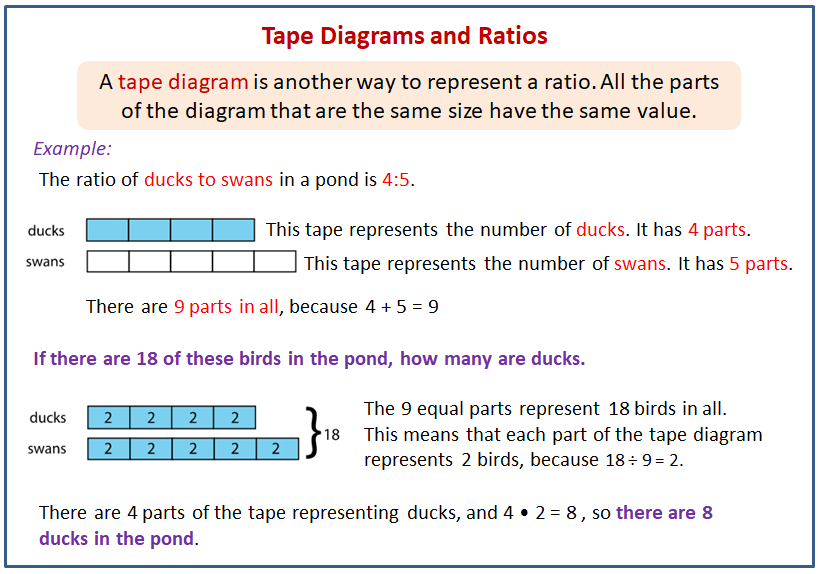
Ms. Rachel often uses tape diagrams in her videos to demonstrate how to solve ratio problems step by step. By watching her explain these diagrams, kids can see how math applies to everyday situations, such as dividing pizza slices or comparing different-sized groups. This hands-on approach helps reinforce learning and builds confidence in math skills.
How to Introduce Tape Diagrams to Your Child
If you're introducing tape diagrams to your child, start with simple examples and gradually increase complexity. Use real-life objects like blocks, snacks, or toys to create physical tape diagrams. For instance, if you have 4 red blocks and 6 blue blocks, ask your child to draw or arrange them in a way that shows the ratio. This tactile experience helps solidify understanding before moving to abstract problems.
Ms. Rachel’s videos provide step-by-step instructions on how to draw and interpret tape diagrams. She breaks down each process, ensuring kids understand why each step matters. For example, she might show how to divide a tape diagram into equal parts to solve a problem about sharing equally. This structured approach helps kids develop problem-solving skills without feeling overwhelmed.
Common Misconceptions About Tape Diagrams
Some parents might think tape diagrams are only for advanced math, but they’re actually a great tool for all skill levels. A common misconception is that kids need to be proficient in multiplication or division before using them. However, tape diagrams work best when kids first learn to count and compare quantities. Ms. Rachel’s videos address this by starting with basic comparisons and gradually introducing more complex problems.
Another misconception is that tape diagrams are too simplistic for older kids. In reality, they can be adapted for more advanced topics, such as solving multi-step ratio problems or understanding percentages. Ms. Rachel demonstrates how to extend tape diagrams to cover these concepts, showing that they remain a valuable tool throughout a child’s math journey.
How to Use Ms. Rachel’s Videos to Teach Tape Diagrams
Ms. Rachel’s videos are designed to be both educational and entertaining. She uses clear, step-by-step explanations to guide kids through problems, making it easy to follow along. For example, she might show how to solve a problem about dividing a pizza into equal parts using a tape diagram. Kids can pause the video to try the problem themselves before watching the solution.

One of the best features of her videos is the interactive element. Ms. Rachel encourages kids to think aloud and ask questions, which helps them develop critical thinking skills. By watching her work through problems, kids learn not just the answer but also the reasoning behind it. This approach fosters a deeper understanding of math concepts, making learning more engaging and effective.
Final Tips for Using Tape Diagrams with Your Child
To maximize the benefits of tape diagrams, make them a regular part of your child’s learning routine. Start with simple problems and gradually introduce more complex ones. Encourage your child to create their own tape diagrams using household items, which can make learning even more fun. Additionally, watch Ms. Rachel’s videos together to reinforce what your child is learning in school.
Remember, the goal is to build confidence and a positive attitude toward math. Tape diagrams are a powerful tool that can help kids see the beauty and practicality of math. By using them consistently, you’re giving your child a strong foundation for future learning. So, grab some blocks or snacks, and start exploring the world of tape diagrams with Ms. Rachel’s helpful guidance.
