The holiday season brings a distinct shift in household rhythm, often characterized by disrupted routines and sensory overload. For parents utilizing the "Ms. Rachel" methodology—focusing on speech development, sign language, and interactive learning—the challenge is maintaining developmental progress without becoming a holiday scrooge. A strategic mindset allows caregivers to integrate festive elements into a learning framework that prioritizes engagement over passive consumption.
Apply Speech Techniques to Holiday Traditions
The core of Ms. Rachel’s effectiveness lies in "serve and return" interactions, where a parent responds to a child's cues to build neural connections. During Christmas, this can transform standard activities into rich learning opportunities. When decorating a tree, do not simply hang ornaments. Narrate the action, label colors with high pitch and enthusiasm, and pause to let the child attempt the word or sign.
The trade-off here requires patience; decoration will take significantly longer. However, the benefit is vocabulary acquisition embedded in context. Avoid background music or television during these specific interactions. Research indicates that external noise severely detracts from a toddler's ability to process new words. An authoritative approach to a "Ms. Rachel Christmas" dictates that language must be the focus, not the soundtrack.
Structure the Environment to Reduce Overstimulation
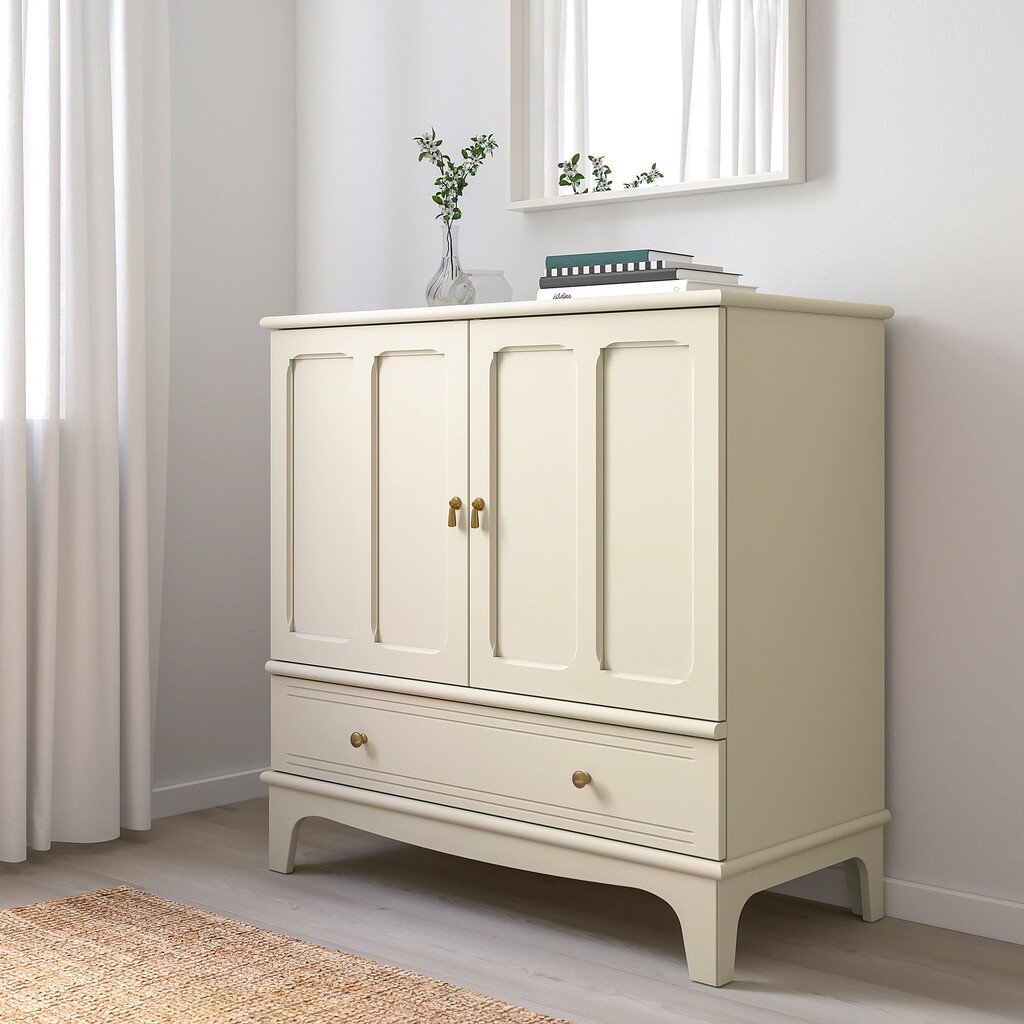
While visual stimulation aids development, excessive clutter during the holidays can lead to dysregulation, particularly in children focused on speech and coordination. A realistic expectation is not that the house will be showroom-perfect, but rather that sensory inputs are manageable. Utilize furniture that allows for the concealment of toys when not in use, creating a distinct boundary between "play time" and "rest time."
Using neutral storage, such as a beige cabinet with doors, helps lower the visual noise in a living space. When toys are hidden behind closed doors, a child is less likely to be visually distracted, making it easier to sit and focus on a book or a singing video. This organization supports the parent's ability to direct attention intentionally, rather than fighting a room full of flashing lights for the child's focus.
Curate Gifts That Encourage Joint Attention
The "Ms. Rachel" philosophy emphasizes toys that do not do the playing for the child. Battery-operated toys that light up and make noise often entertain passively but rarely require the child to engage with a parent or problem-solve. For a Christmas list, prioritize open-ended items that require an adult to facilitate the play.
Consider realistic expectations regarding gift reception. Well-meaning relatives may inevitably bring loud, electronic toys. Instead of banning them, integrate them sparingly or use them as rewards rather than constant fixtures. The bulk of the "Ms. Rachel Christmas" experience should rely on items that encourage joint attention—books with texture, simple musical instruments like shakers, and dolls or puppets that can be used to model social greetings.
Balance Screen Time With Real-World Connection
Even for proponents of educational screen time, holidays require a recalibration of limits. While Ms. Rachel's content is designed to be interactive, it cannot replace the nuanced feedback of a live human interaction. Use holiday episodes as a tool for connection, not a babysitter.
Watch with the child, mimic the signs, and pause the video to practice the skills in the real world. If the video sings about a snowman, go to the window and look for snow or make a paper snowflake immediately after. The pro is high-quality modeling; the trade-off is the necessity of parental involvement to bridge the gap between the screen and reality. A concrete closing goal is to ensure that Christmas memories are built on shared experiences rather than solitary viewing.
